60's Music:
Expanding the Boundaries of Rock
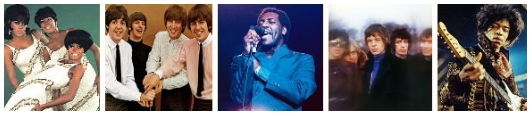
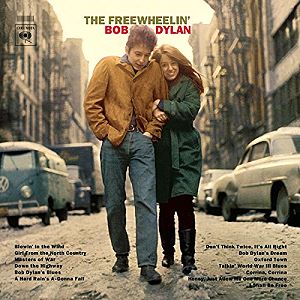
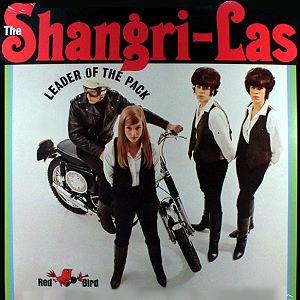
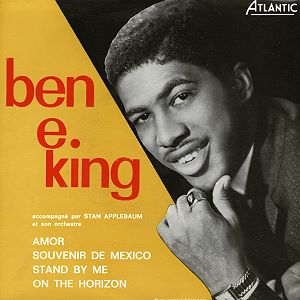
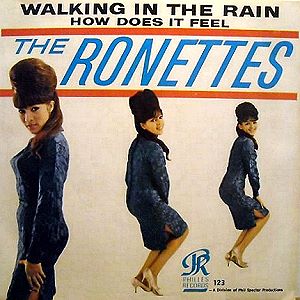
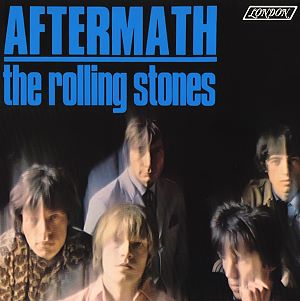
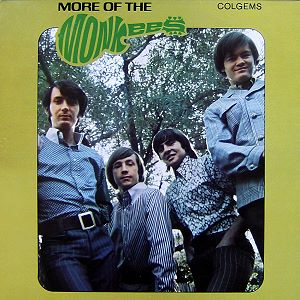
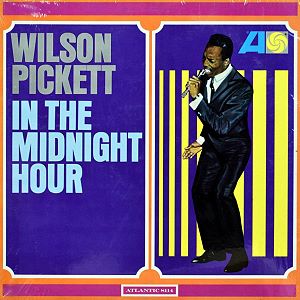
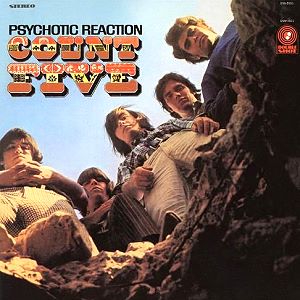
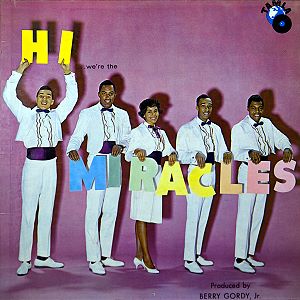
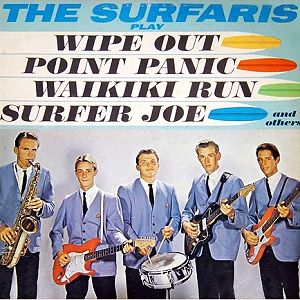
Rock and pop expand rapidly during the 1960s. Elvis Presley remains a major hitmaker early in the decade, while the folk revival, Brill Building songwriting, Phil Spector’s Wall of Sound, girl groups and surf music broaden the field. Motown, Stax and Atlantic bring more Black artists to the pop charts. Beginning in 1964, the Beatles, the Rolling Stones and other British groups transform the American market, inspiring thousands of U.S. garage bands.
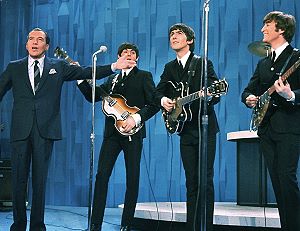
Television becomes one of popular music’s most powerful showcases. American Bandstand maintains its clean-cut afternoon format, while The Ed Sullivan Show and other variety programs bring rock groups into prime time. Shindig! and Hullabaloo target teenage viewers with dancers and current performers. In Britain, Top of the Pops and Ready Steady Go! give new singles and artists a weekly national platform.
Large outdoor festivals turn rock into a communal experience and a symbol of the counterculture. The three-day Monterey International Pop Festival in 1967 introduces several major artists to wider American audiences. In August 1969, more than 400,000 people gather near Bethel, New York, for the Woodstock Music and Art Fair, making it the decade’s defining rock festival.
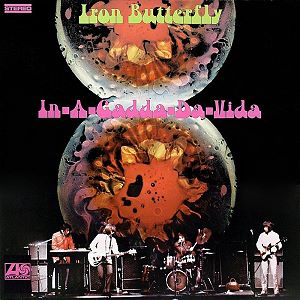
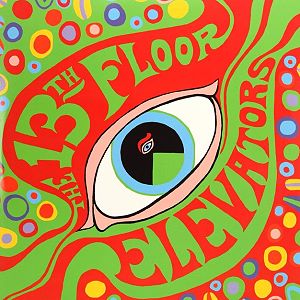
By the end of the decade, rock encompasses folk rock, psychedelia, soul-influenced pop, hard rock and the beginnings of heavy metal and progressive rock. The Beatles announce their breakup in 1970, but their songwriting, studio experimentation and extraordinary chart success define much of the 1960s. The decade closes with rock no longer a single style, but a broad international culture.