70's Music:
Rock Music Becomes Big Business

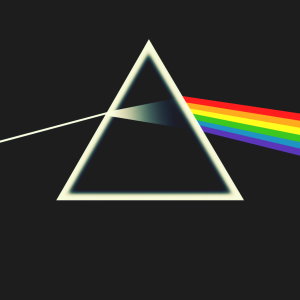
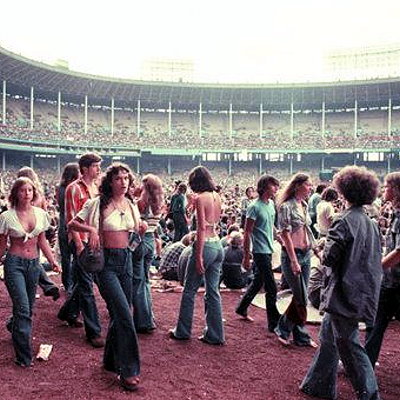
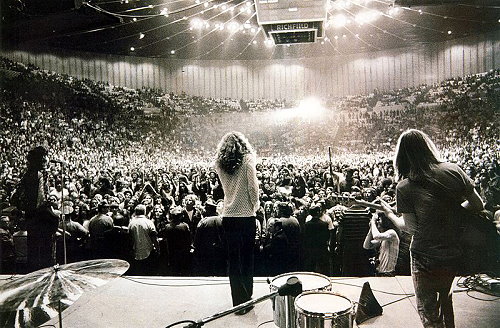
The Beatles break up in 1970, and all four members continue with successful solo careers. The deaths of Jimi Hendrix and Janis Joplin in 1970 and Jim Morrison in 1971—all at age 27—bring a tragic close to the previous era. Psychedelia recedes as hard rock, progressive rock and heavy metal grow. At the same time, the Rolling Stones, Pink Floyd, the Who, Grand Funk Railroad, Led Zeppelin and other major touring acts move from theaters into arenas and stadiums, turning rock into big business.
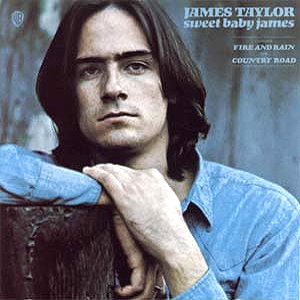
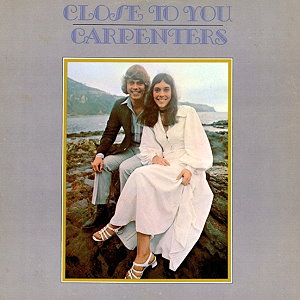
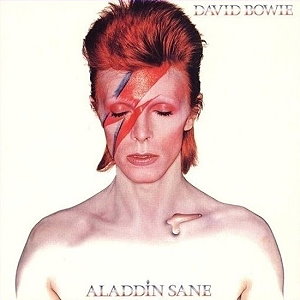
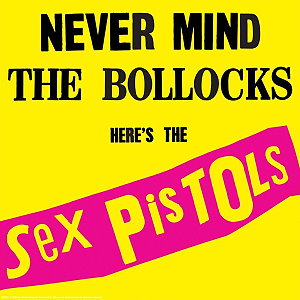
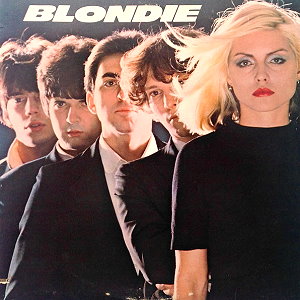
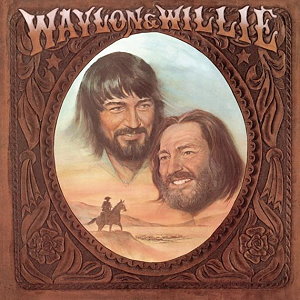
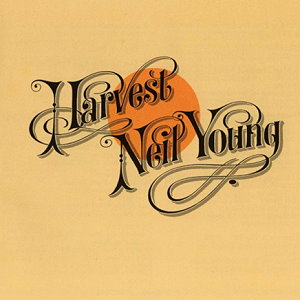
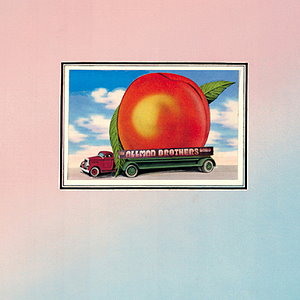
Top 40 radio and FM album-oriented rock serve increasingly different audiences, while car stereos, 8-track cartridges and cassettes make recorded music more portable. The expanding market supports singer-songwriters, soft rock, glam rock, progressive rock, heavy metal and country rock. Reggae reaches an international audience, and live albums become major sellers for artists including Peter Frampton and Kiss. Late in the decade, disco dominates dance floors and pop radio, while punk rejects the scale and polish of arena rock. New wave grows alongside punk, often adding pop hooks, keyboards and electronic textures.
The 1970s also look back to rock’s early years. Oldies radio expands, reissue and compilation albums find a ready audience, and the 1972 collection Nuggets restores attention to overlooked garage-rock and psychedelic singles. That same year, the London Rock and Roll Show at Wembley Stadium features Bo Diddley, Little Richard, Jerry Lee Lewis, Bill Haley and Chuck Berry. Elvis Presley dies in Memphis in 1977 at age 42; Graceland later opens to the public and becomes a major music landmark.