90's Music:
The Internet and Digital Music
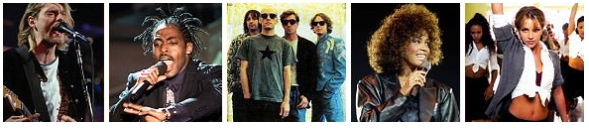
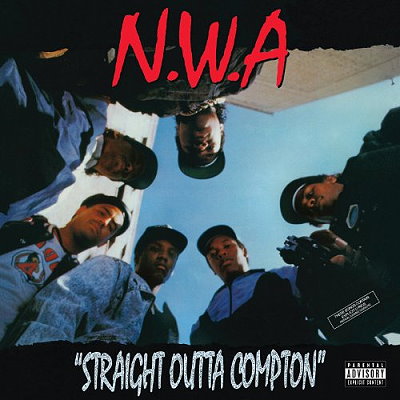
Hip-hop expands dramatically in influence, sales and regional diversity during the 1990s. Artists including N.W.A, Public Enemy, Queen Latifah, Salt-N-Pepa, Ice-T, Dr. Dre, Tupac Shakur, the Notorious B.I.G., Wu-Tang Clan and, late in the decade, Eminem bring distinct voices and production styles to an increasingly broad audience.
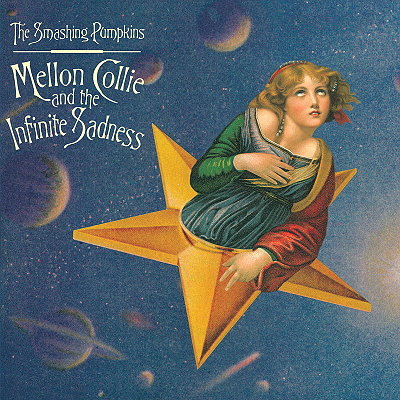
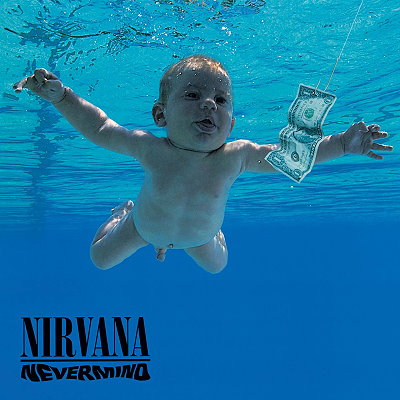
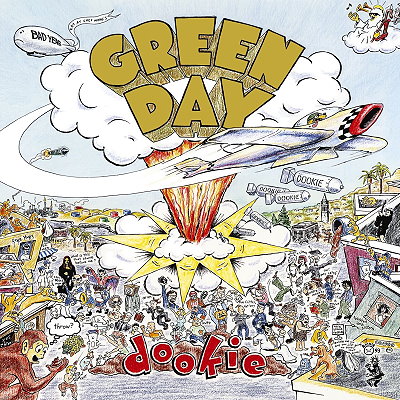
Alternative rock and its subgenres move into the mainstream during the 1990s. Major labels sign bands that developed on independent labels and college radio, sometimes creating tension between commercial expectations and underground identities. R.E.M., the Smashing Pumpkins, Red Hot Chili Peppers, Nirvana, Soundgarden, Pearl Jam, Green Day and many others reach large audiences without fitting a single musical style.
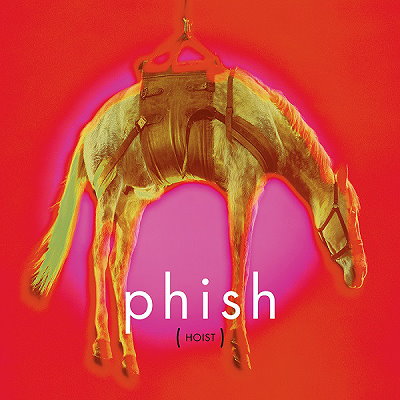
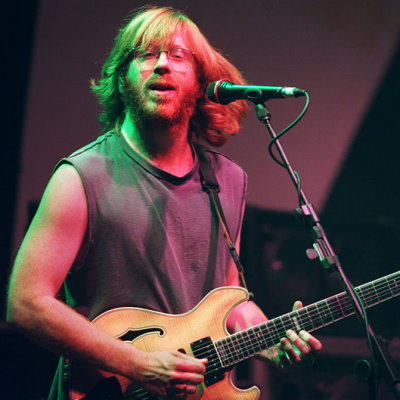
Jam bands offer another route outside conventional hit radio. Drawing on the Grateful Dead’s touring model and on rock, jazz, blues, funk and folk, Phish, Blues Traveler, Dave Matthews Band and Widespread Panic build loyal audiences through extended improvisation, live performance and tape trading, with album sales following their concert success.
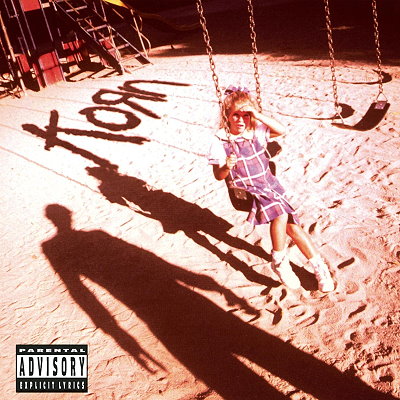
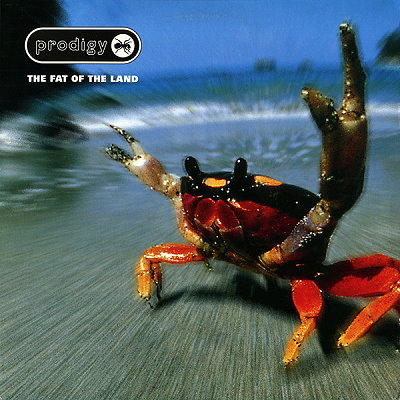
Heavy metal splinters into alternative metal, industrial metal, rap metal and nu metal, while established thrash and mainstream metal acts continue to record and tour. Electronic dance music also diversifies: house and techno evolve alongside trance, drum and bass, trip-hop and Eurodance, with rave culture connecting many of the new styles.
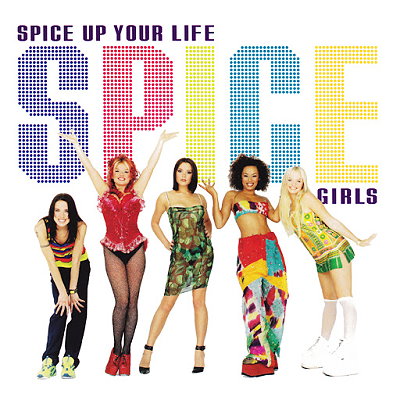
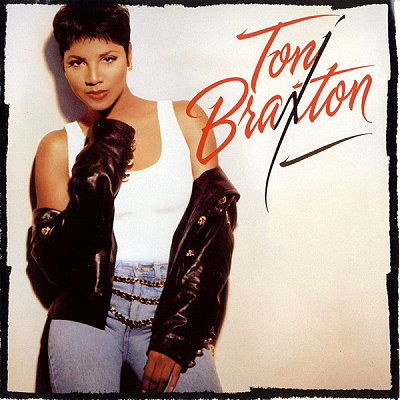
Teen pop surges late in the decade as the Backstreet Boys, *NSYNC, 98 Degrees, Hanson and the Spice Girls become major sellers. Britney Spears and Christina Aguilera lead a new wave of young solo stars, while Jennifer Lopez and Destiny’s Child begin their recording careers. Contemporary R&B remains central to the pop charts through Whitney Houston, Mariah Carey, TLC, Toni Braxton, Lauryn Hill and Boyz II Men.
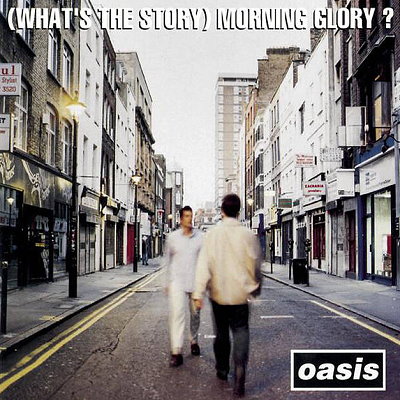
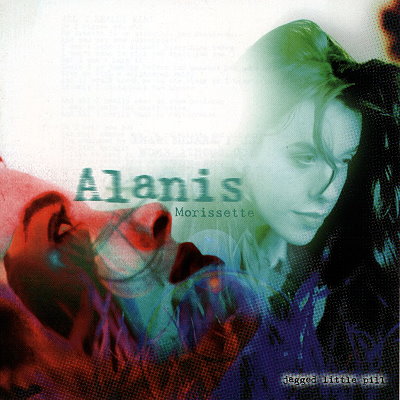
In Britain, Britpop groups draw renewed attention to guitar-based pop, with the 1995 chart contest between Blur and Oasis becoming a national media event. Singer-songwriters also enjoy renewed visibility, especially women such as Sarah McLachlan, Alanis Morissette, Tori Amos, Jewel, Natalie Merchant, Sheryl Crow, Liz Phair and Fiona Apple.
Faster home computers and affordable recording software make digital production accessible to more musicians. MP3 compression and the expanding internet make songs easier to copy and distribute, and by the end of the decade websites, online retailers and file-sharing services begin challenging the album-centered business model. The full transformation lies ahead, but the foundations of digital music are in place.