News
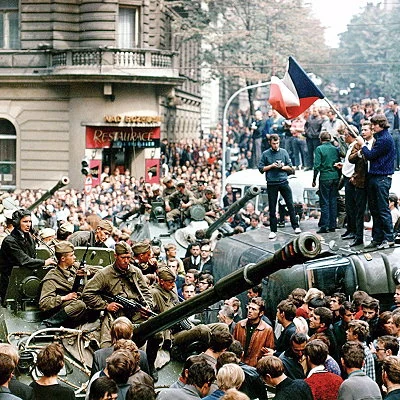
Mass protests lead to political liberalization in Czechoslovakia. Known as the "Prague Spring" the movement is ended when the Soviet Union sends in troops to stop the reforms.
Mass protests lead to political liberalization in Czechoslovakia. Known as the "Prague Spring" the movement is ended when the Soviet Union sends in troops to stop the reforms.
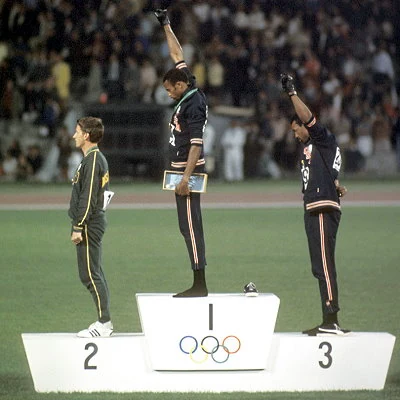
Tommie Smith and John Carlos raise gloved fists on the medal stand at the Mexico City Olympics. Their silent 1968 protest brings the struggle for Black equality into one of the world’s most visible sporting ceremonies, creating an image that will outlast the Games.
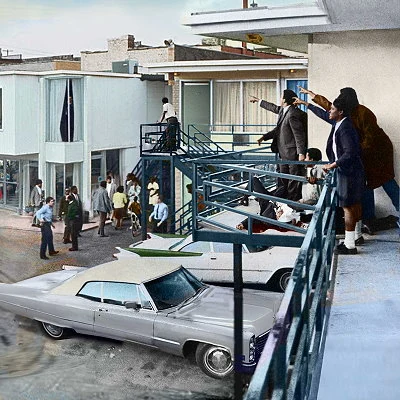
Martin Luther King Jr. is assassinated at the Lorraine Motel in Memphis in April 1968. His death brings grief and anger across the country, striking down the civil-rights leader as he is supporting striking sanitation workers and preparing a broader campaign against poverty.
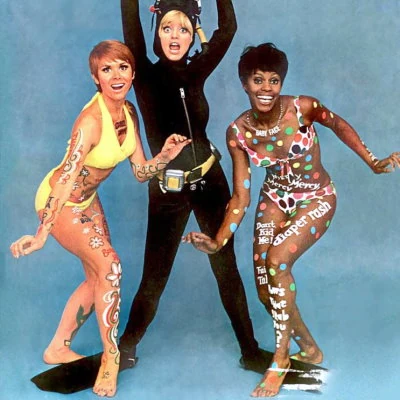
Rowan and Martin's Laugh-In is a sketch comedy show that debuts on NBC Television in 1968 and runs for five seasons. "The Girls From Laugh-In" is the title of this photo from the cover of the Saturday Evening Post. First broadcast: January 22, 1968.
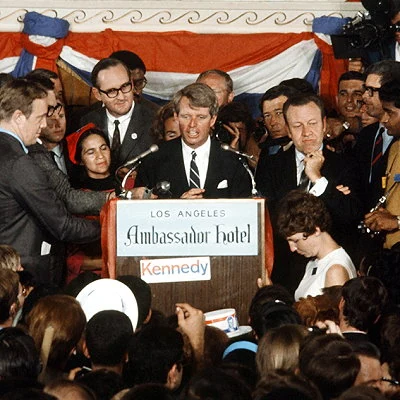
Robert Kennedy is shot after winning the California Democratic primary and dies the following day. His June 1968 assassination ends a presidential campaign that had drawn hopeful crowds, adding another devastating loss to an already violent and unsettled year.
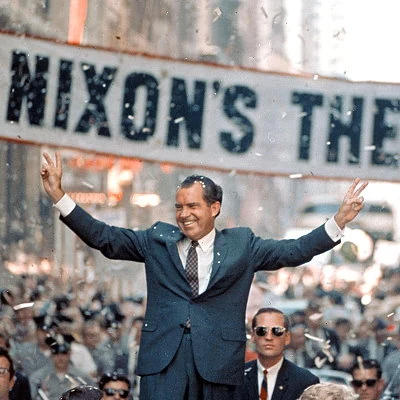
Richard Nixon wins the 1968 presidential election over Hubert Humphrey. Campaigning amid war, protests and deep national divisions, he promises order and a new approach to Vietnam, returning to national office eight years after his narrow defeat by John Kennedy.
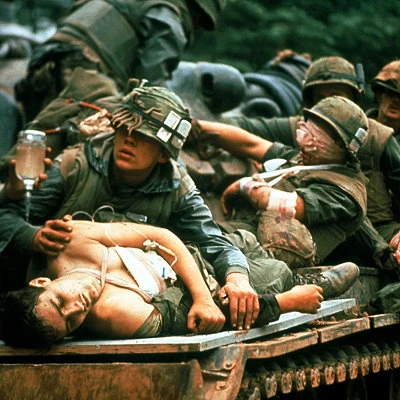
Any illusion that the U.S. and their South Vietnamese allies are winning the war in Vietnam, are shattered as the Viet Cong launch the Tet Offensive with a series of successful surprise attacks.
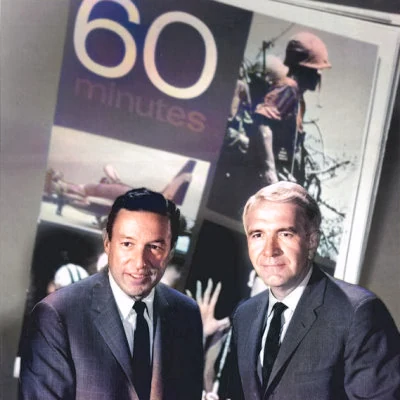
Mike Wallace and Harry Reasoner introduce 60 Minutes on CBS in 1968. The newsmagazine combines interviews, investigations and reported stories in a format that gives serious journalism a regular place in the evening television schedule. First broadcast: September 24, 1968.
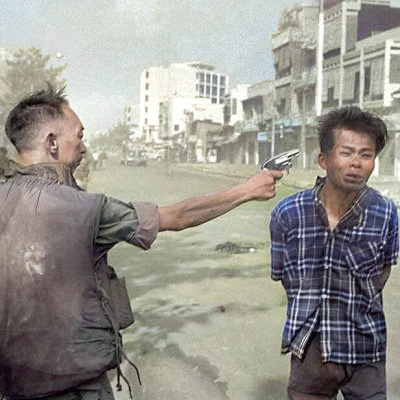
Eddie Adams photographs South Vietnamese police chief Nguyễn Ngọc Loan executing Nguyễn Văn Lém during the Tet Offensive. The shocking image circulates around the world in 1968, bringing the brutality of the war into sharp focus and later earning a Pulitzer Prize.
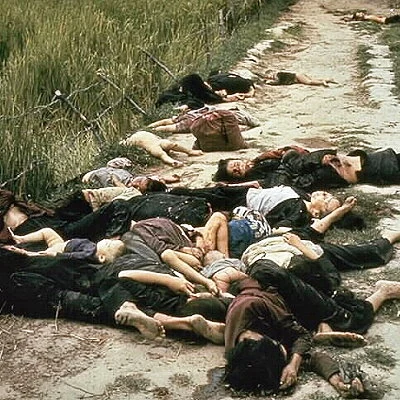
Civilians lay dead in the Vietnamese village of My Lai following an attack by U.S. troops. The deaths of over three hundred unarmed men, women and children led to charges against 26 U.S. soldiers.
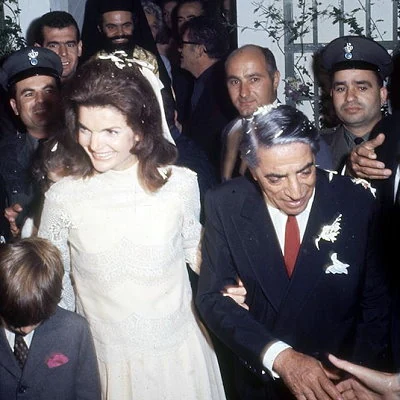
Jacqueline Kennedy marries Greek shipping magnate Aristotle Onassis in 1968. The former first lady’s remarriage becomes an international fascination, with the private ceremony marking a new chapter for a woman whose life has remained under extraordinary public scrutiny.
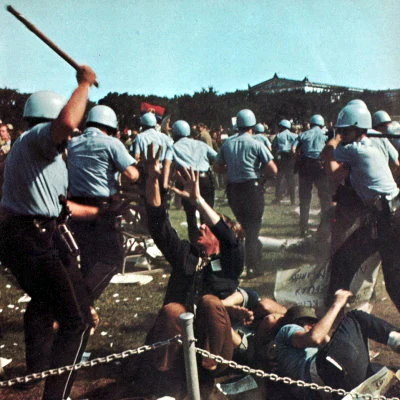
Protests outside the Democratic National Convention in Chicago turn violent in August 1968. Television coverage of confrontations between demonstrators and police brings the turmoil into American homes, overshadowing much of the convention’s effort to present a united party.
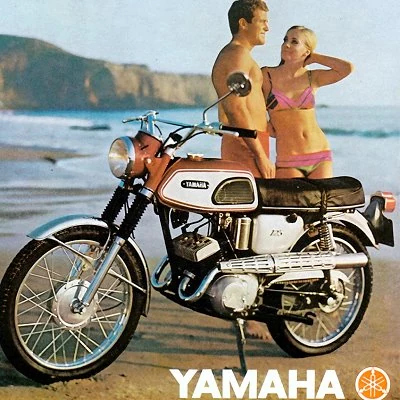
Yamaha brings a motorcycle to the beach, adding two wheels to a picture of summer freedom. The polished tank and long seat make the machine as much a part of the scene as the swimsuits and sunshine.
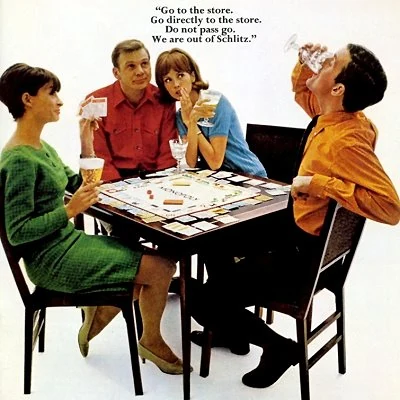
Friends gather around a board game with glasses of Schlitz nearby. A beer advertisement makes an evening at home look relaxed and sociable, with no elaborate occasion needed.
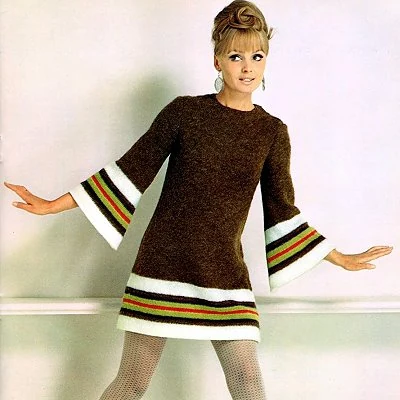
A short dress gets a playful finish from striped cuffs and a matching hem. Colored tights complete the look, showing how a few graphic details can brighten a simple silhouette.
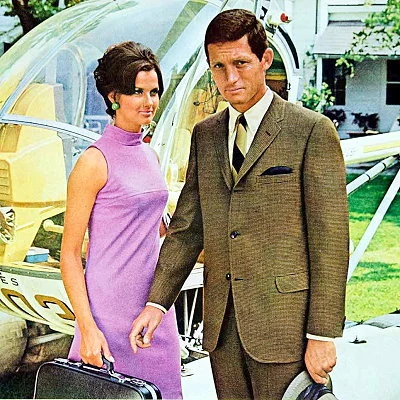
Botany 500 gives a man's suit a neat, modern profile. A fitted jacket and carefully chosen tie preserve a dressed-up appearance, even as late-sixties casual clothes become increasingly adventurous.
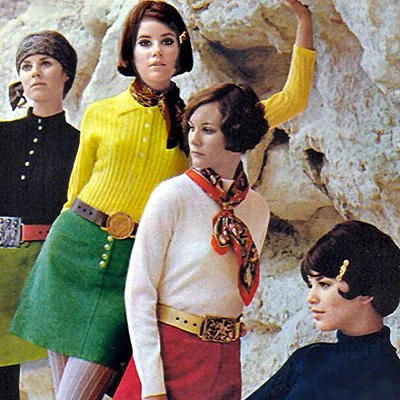
Bright sweaters, scarves and short skirts make an easy late-sixties combination. Belts and simple accessories add individuality, with colors doing much of the work.
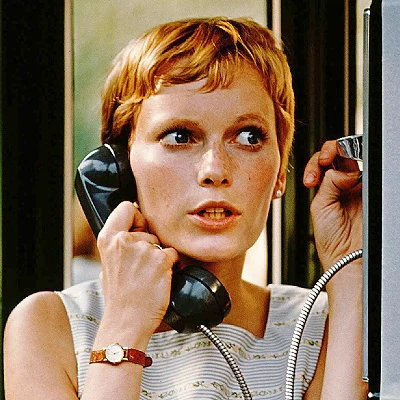
Mia Farrow plays a young wife whose pregnancy becomes a source of dread in Rosemary’s Baby. Roman Polanski’s 1968 film turns a comfortable New York apartment building into an unsettling place, with friendly neighbors and ordinary conversations taking on darker meanings. Released June 1968. U.S. box office: No. 5 among 1968 releases.
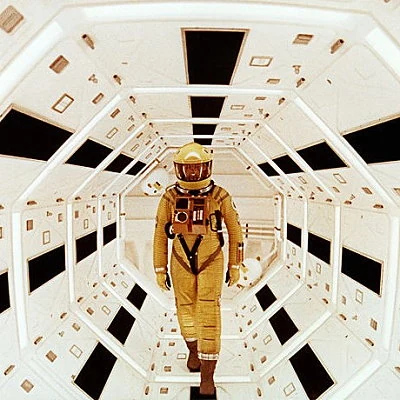
Stanley Kubrick sends audiences into space with 2001: A Space Odyssey. The 1968 film pairs extraordinary visual effects with a mysterious journey through human origins, artificial intelligence and the unknown, leaving plenty to discuss after the final image fades. Released April 1968. U.S. box office: No. 2 among 1968 releases.
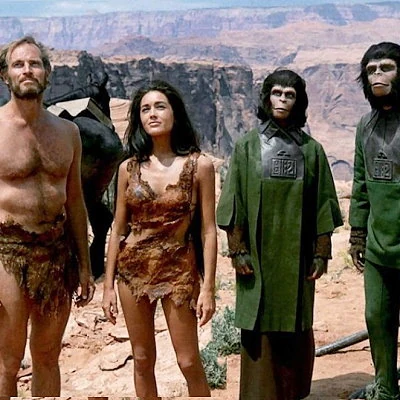
Charlton Heston and Linda Harrison star in Planet of the Apes. The 1968 science-fiction adventure places a stranded astronaut in a world where humans have lost their power, using elaborate makeup and a startling ending to turn the familiar upside down. Released April 1968. U.S. box office: No. 6 among 1968 releases.
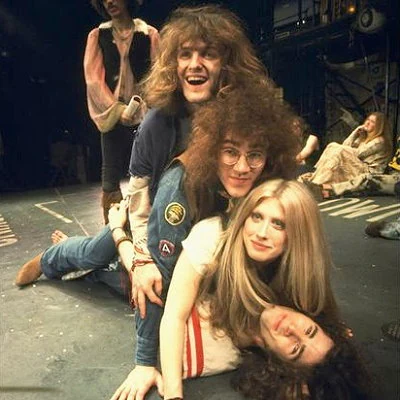
The musical Hair moves to Broadway in 1968, bringing the counterculture onto a major commercial stage. Rock music, long hair, antiwar feeling and frank treatment of sex and drugs make the musical feel closer to the street outside than to a traditional Broadway evening.
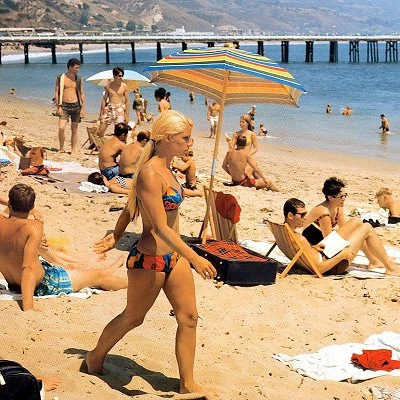
Sunbathers gather on the beach in 1968, with towels, umbrellas and a place in the sand marking out the day's territory. Swimsuits and sunglasses supply a less formal view of the year's fashion.
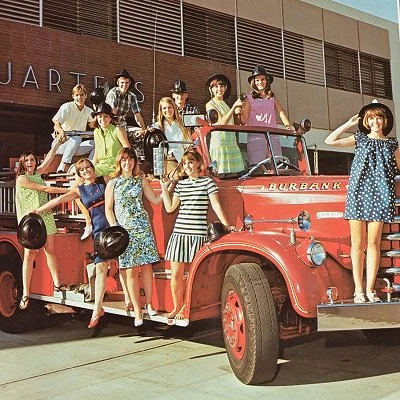
A group of high-school students borrows a fire truck for a photograph. The running boards and cab provide room for everyone, turning a familiar piece of equipment into an impromptu group portrait.
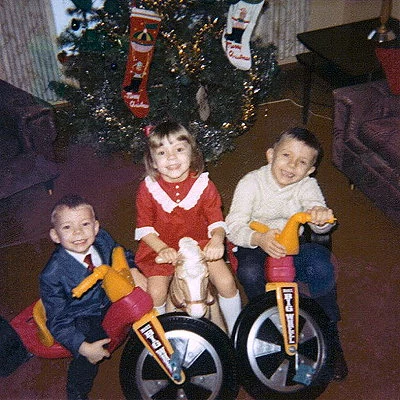
Children pose beside the Christmas tree with their new low-riding tricycles called Big Wheels. Bright plastic wheels and seats promise plenty of riding once the presents are unwrapped and there is room to try them out.